White · Nahe · Allemagne
Schäfer-Fröhlich Felsenberg Riesling GG
Scored from 220 calibrated Vivino reviewers. Cohort: White · Allemagne (155 wines).
Find this wine: view on Vivino · compare prices on Wine-Searcher
Is Felsenberg Riesling GG a good wine?
Tasting profile
An intensely mineral, flinty Riesling with smoky nuances, floral and fruity aromatics, and a fresh, high-acid frame carried by remarkable drive and a long finish. Complex yet approachable, it strikes reviewers as one of the great expressions of the grape.
Synthesized from 220Vivino reviewers' tasting notes for this bottle.
What reviewers say
“Zu erst etwas verschlossen, fette Nase. Unglaublicher Druck. Nach einiger Zeit dann eine geile Mineralität, geile Frucht und weiterhin unglaublicher Druck!”
From a top-rated Vivino review for this bottle.
Summary
From Nahe in Germany, Schäfer-Fröhlich Felsenberg Riesling GG is a white.
Its in-cohort standing is measured against 154 other whites from Germany, not against the corpus as a whole. The calibrated figure is built from 220 of its Vivino reviewers. A broader pool of 221 reviewers with two or more ratings feeds the raw-average track instead.
- Cohort
- White · Allemagne · 155 wines
- Calibrated reviewers
- none yet
Cohort: White · Allemagne
Closest peers
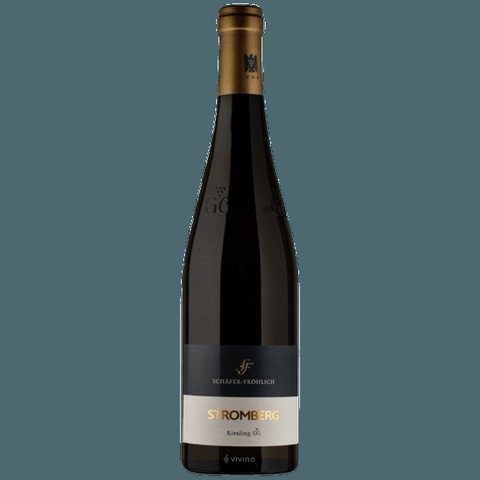 White92.1
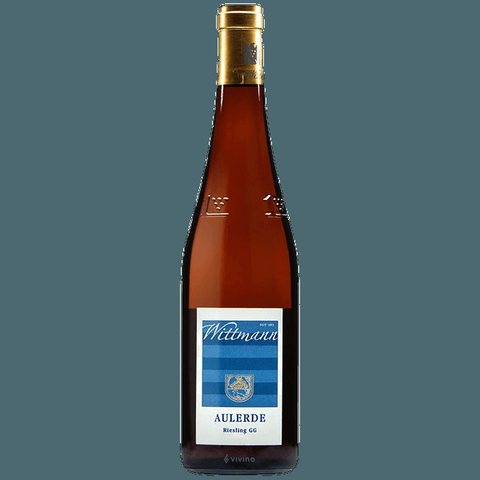 White92.5
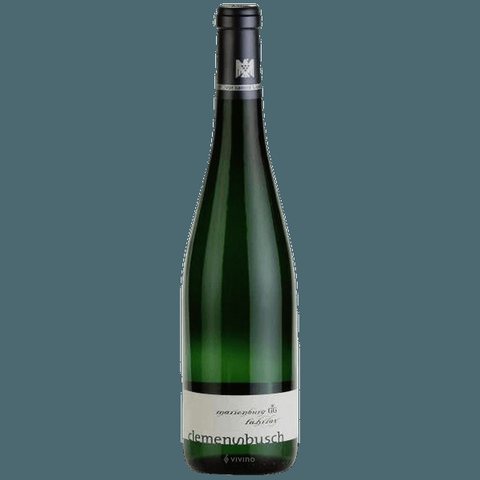 White93