Red · Maipu · Argentina
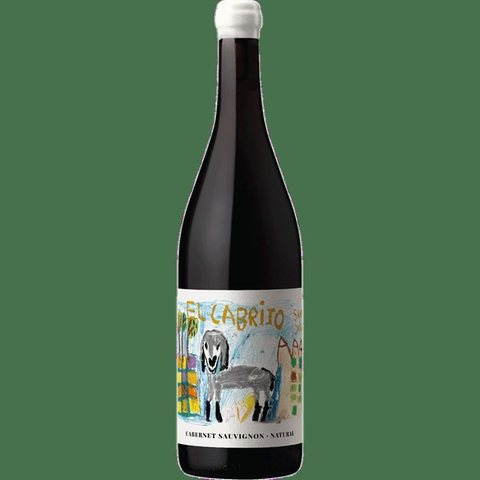
Santa Julia El Cabrito Cabernet Sauvignon Natural
Scored from 84 calibrated Vivino reviewers. Cohort: Red · Argentina (482 wines).
Find this wine: view on Vivino · compare prices on Wine-Searcher
Is El Cabrito Cabernet Sauvignon Natural a good wine?
What reviewers say
“El Cabrito Santa Julia Cabernet Sauvignon 2023 Aromas de ciruela fresca, cereza roja y un toque de mermelada de ciruela, con notas herbales suaves y un fondo de frambuesa madura. En boca es jugoso y directo, con acidez moderada, taninos suaves y una textura fluida típica de un vino natural sin sulfitos. Final medio, con ecos de fruta roja, hierba fresca y un leve matiz terroso propio de la mínima intervención.”
From a top-rated Vivino review for this bottle.
Summary
Santa Julia El Cabrito Cabernet Sauvignon Natural is a red from Maipu, Argentina. At $20.19 for the lowest 750 ml listing, it belongs to the $15–30 band.
The cohort it is ranked inside holds 482 Argentine reds. 84 Vivino reviewers are calibrated for this bottle, and those are the ones the calibrated score reads; a separate, broader pool of 84 reviewers with at least two ratings each feeds the raw-average track.
- Cohort
- Red · Argentina · 482 wines
- Calibrated reviewers
- none yet
Cohort: Red · Argentina