Red · Alentejano · Portugal
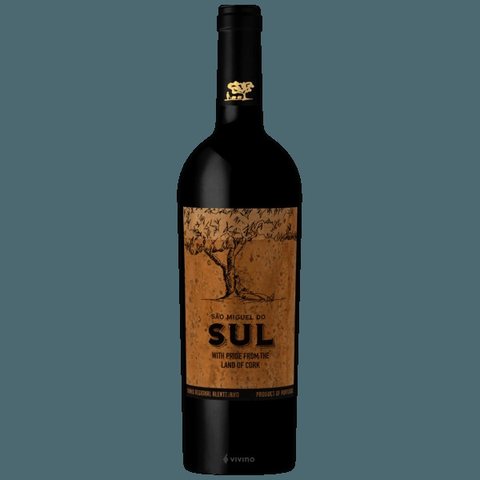
São Miguel do Sul Tinto
Scored from 2,786 calibrated Vivino reviewers. Cohort: Red · Portugal (351 wines).
Find this wine: view on Vivino · compare prices on Wine-Searcher
Is Tinto a good wine?
What reviewers say
“Peteca, terça, Iate Clube. A linda lua Rosa sorrindo para nós. Os garimpeiros de plantão ostentam novo troféu. Hoje foi este Alentejano muito honesto pelo que pagaram na promoção do Sam's Club. Um bouquet potente que já se apresentou ao ser servido em nossas taças.”
From a top-rated Vivino review for this bottle.
Summary
Ruby with violet hints. Intense aroma of red fruit, floral and toasted notes. Smooth tannins, nice acidity and very fruity and juicy.
São Miguel do Sul Tinto is a Portuguese red from Alentejano. The cheapest 750 ml listing found for it is $13.19, which puts the bottle in the under $15 band. The grape is Cabernet Sauvignon.
The calibrated figure is built from 2,786 of its Vivino reviewers. A broader pool of 2,953 reviewers with two or more ratings feeds the raw-average track instead. 350 other reds from Portugal form the cohort it is ranked inside.
- Cohort
- Red · Portugal · 351 wines
- Calibrated reviewers
- none yet
Cohort: Red · Portugal