Robert & Bernard Plageoles Vin d'Autan
7
global pct
95.6
Dessert · Gaillac · France
Robert & Bernard Plageoles Vin d'Autan
Scored from 94 calibrated Vivino reviewers. Cohort: Dessert · France (423 wines).
95.6%
Global percentile
vs. all 69,234 ranked wines
84.8%
In-cohort percentile
Dessert · France · 423 wines
—
AI-adjusted percentile
not enough calibrated reviewers yet
Find this wine: view on Vivino · compare prices on Wine-Searcher
Is Vin d'Autan a good wine?
What reviewers say
“Aux carrefour d'un liquoreux du Sud-Ouest, d'un Sauternes et d'un Tokay. Ce vin issu du cepage Ondenc est inimitable. Superbe ! Grand Vin !!!”
From a top-rated Vivino review for this bottle.
Summary
Robert & Bernard Plageoles Vin d'Autan is a dessert wine from Gaillac, France.
The cohort it is ranked inside holds 423 French dessert wines. The calibrated figure is built from 94 of its Vivino reviewers. A broader pool of 94 reviewers with two or more ratings feeds the raw-average track instead.
- Cohort
- Dessert · France · 423 wines
- Calibrated reviewers
- none yet
Cohort: Dessert · France
Closest peers
Château La Tour Blanche · Sauternes (Premier Grand Cru Classé)
Château Soucherie · Coteaux du Layon Premier Cru 'Chaume'
L'Archiviste · Rivesaltes
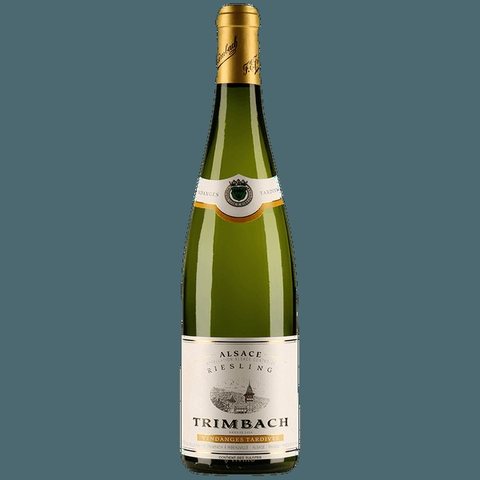 Dessert95.4
M. Chapoutier · Ermitage Vin de Paille
Château Montdoyen · Femme Je Vous Aime
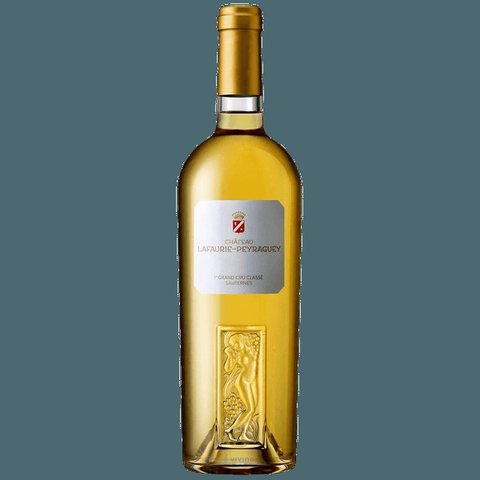 Dessert95.2
Domaine Tempier · Marc de Provence