White · Mosel · Deutschland
Peter Lauer Schonfels GG No 11
Scored from 99 calibrated Vivino reviewers. Cohort: White · Deutschland (929 wines).
Find this wine: view on Vivino · compare prices on Wine-Searcher
Is Schonfels GG No 11 a good wine?
Tasting profile
A golden, off-dry Saar Riesling with honey, caramel, and ripe Boskoop apple layered over green apple and citrus, carried by a creamy schmelz and pronounced minerality. Full and rounded on the palate with bright, crisp acidity and a long, elegant finish.
Synthesized from 99Vivino reviewers' tasting notes for this bottle.
What reviewers say
“Klares reines Strohblond, in der Nase butterig, animalisch, Met. Im Gaumen rund, voll, fein eingebettete knackige Säure. Wunderbarer, kompletter und sehr eleganter Wein. Top Klasse!”
From a top-rated Vivino review for this bottle.
Summary
Peter Lauer Schonfels GG No 11 is a white from Mosel, Germany.
99 Vivino reviewers are calibrated for this bottle, and those are the ones the calibrated score reads; a separate, broader pool of 99 reviewers with at least two ratings each feeds the raw-average track. The cohort it is ranked inside holds 929 German whites.
- Cohort
- White · Deutschland · 929 wines
- Calibrated reviewers
- none yet
Cohort: White · Deutschland
Closest peers
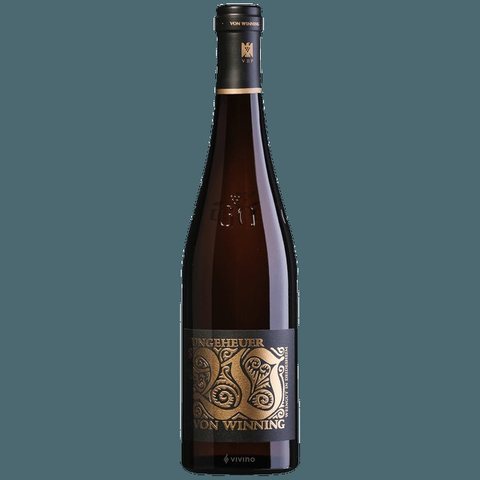 White97.7
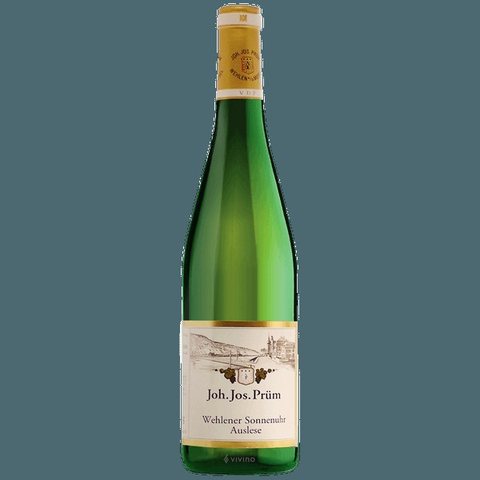 White97.6