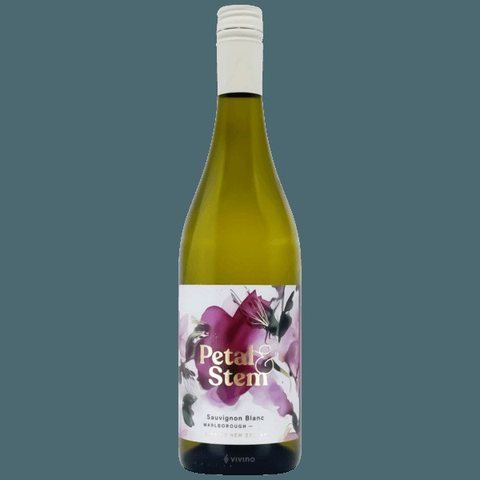
White · Marlborough · New Zealand
Petal & Stem Sauvignon Blanc
Scored from 147 calibrated Vivino reviewers. Cohort: White · New Zealand (1,064 wines).
Find this wine: view on Vivino · compare prices on Wine-Searcher
Is Sauvignon Blanc a good wine?
What reviewers say
“You know how some people carry on with all the crap about 18,000 aromas and 30,000 tastes well with this wine I might finally get it all, no but naaaarrrrr. This does smell like cut grass on my farm and tastes to me like a sweet lime, dry in the mouth but lots going on as it dances across the tongue 👅. I’m going to New Zealand in a weeks time I’m just changing plans to include this place. I’d definitely buy this again and lots of it”
From a top-rated Vivino review for this bottle.
Summary
Petal & Stem Sauvignon Blanc is a white from Marlborough, New Zealand.
147 Vivino reviewers are calibrated for this bottle, and those are the ones the calibrated score reads; a separate, broader pool of 152 reviewers with at least two ratings each feeds the raw-average track. 1,063 other whites from New Zealand form the cohort it is ranked inside.
- Cohort
- White · New Zealand · 1,064 wines
- Calibrated reviewers
- none yet
Cohort: White · New Zealand