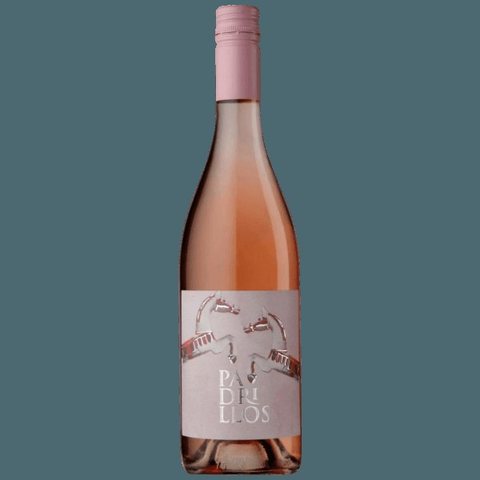
Rosé · Mendoza · Argentina
Padrillos Rosado
Scored from 114 calibrated Vivino reviewers. Cohort: Rosé · Argentina (88 wines).
Find this wine: view on Vivino · compare prices on Wine-Searcher
Is Rosado a good wine?
What reviewers say
“vanilla plum oak blackberry blueberry raspberry cherry earthy smoke leather anise gingerbread pepper star anise citrus citrus zests blood orange lemon zest lime zest orange peel orange zest black raisins black raisin dried apricot dried cranberry prune raisins burnt caramel dried figs black plum apricot jam canned peach honeydew melon dried rose violet hay roasted pepper sun-dried tomato candy cap mushrooms citrus oil clay dust baking spice butterscotch cigar box dill sweet tobacco wood burner”
From a top-rated Vivino review for this bottle.
Summary
Padrillos Rosado is a rosé from Mendoza, Argentina, made from Undefined.
Its in-cohort standing is measured against 87 other rosés from Argentina, not against the corpus as a whole. The calibrated figure is built from 114 of its Vivino reviewers. A broader pool of 116 reviewers with two or more ratings feeds the raw-average track instead.
- Cohort
- Rosé · Argentina · 88 wines
- Calibrated reviewers
- none yet
Cohort: Rosé · Argentina