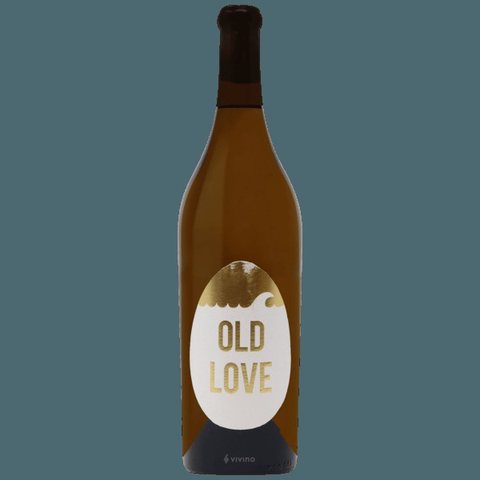
White · Oregon · United States
Ovum Old Love
Scored from 204 calibrated Vivino reviewers. Cohort: White · United States (2,311 wines).
Find this wine: view on Vivino · compare prices on Wine-Searcher
Is Old Love a good wine?
What reviewers say
“Have some new love for this Old Love. Really nice OR blend of Riesling, Gewurztraminer, and Muscat Blanc. A white that needs to breathe about 30 minutes. Medium gold color wine. Aromas of stone fruit, bright citrus, and honey. On the palate - flavors of apricot, grapefruit, pear, tangerine, aloe vera, and lots of fresh saline. Lovely balance. Paired with fresh crab cakes. Even went lovely with dessert.”
From a top-rated Vivino review for this bottle.
Summary
Ovum Old Love is a white from Oregon, the United States. It is made from Riesling.
204 Vivino reviewers are calibrated for this bottle, and those are the ones the calibrated score reads; a separate, broader pool of 205 reviewers with at least two ratings each feeds the raw-average track. Its in-cohort standing is measured against 2,310 other whites from the United States, not against the corpus as a whole.
- Cohort
- White · United States · 2,311 wines
- Calibrated reviewers
- none yet
Cohort: White · United States