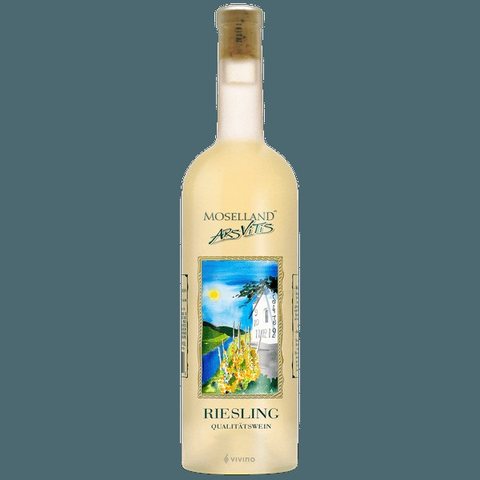
White · Mosel · Germany
Moselland Ars Vitis Riesling
Scored from 822 calibrated Vivino reviewers. Cohort: White · Germany (1,789 wines).
Find this wine: view on Vivino · compare prices on Wine-Searcher
Is Ars Vitis Riesling a good wine?
What reviewers say
“A delightful semi dry Mosel riesling. I suspect this was fermented in stainless steel as the bouquet seems to lean that direction rather than oak. The bouquet is very light with slight fruity floral notes. Flavours of tropical fruit including kiwi, and citrus, with a slightly acidic finish. There is a touch of honey but the wine is not really sweet. We paired with Thai sweet chili chicken lettuce wraps and they complimented each other well.”
From a top-rated Vivino review for this bottle.
Summary
From Mosel in Germany, Moselland Ars Vitis Riesling is a white. It sits in the under $15 band, on a lowest observed 750 ml price of $14.99.
1,788 other whites from Germany form the cohort it is ranked inside. 822 Vivino reviewers are calibrated for this bottle, and those are the ones the calibrated score reads; a separate, broader pool of 857 reviewers with at least two ratings each feeds the raw-average track.
- Cohort
- White · Germany · 1,789 wines
- Calibrated reviewers
- none yet
Cohort: White · Germany
Closest peers
 White32.5