White · Bairrada · Portugal
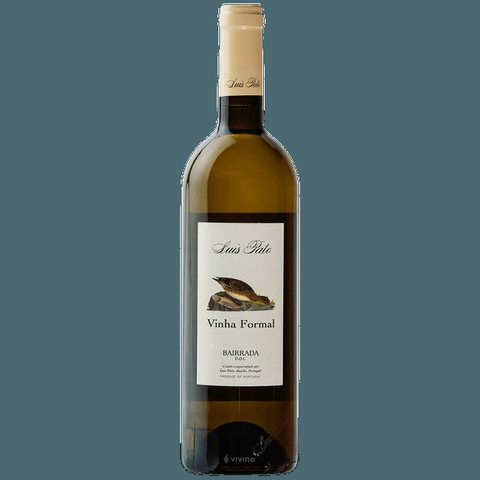
Luis Pato Bairrada Vinha Formal Branco
Scored from 423 calibrated Vivino reviewers. Cohort: White · Portugal (1,436 wines).
Find this wine: view on Vivino · compare prices on Wine-Searcher
Is Bairrada Vinha Formal Branco a good wine?
What reviewers say
“The biggest surprise of tasting in @UECatadores, Os Melhores de Portugal. 100% Cerceal from Bairrada, not the same as Sercial from Madeira, fermented and staged for 9 months in 500/650 liter casks. Med lemon.”
From a top-rated Vivino review for this bottle.
Summary
It is a complex and delicate wine, with very subtle smoked notes bolstering suggestions apricot, quince, lime green. Fresh and vibrant, the evolution in the bottle gave him great depth and elegance.
From Bairrada in Portugal, Luis Pato Bairrada Vinha Formal Branco is a white. It is made from Baga.
The cohort it is ranked inside holds 1,436 Portuguese whites. 423 Vivino reviewers are calibrated for this bottle, and those are the ones the calibrated score reads; a separate, broader pool of 424 reviewers with at least two ratings each feeds the raw-average track.
- Cohort
- White · Portugal · 1,436 wines
- Calibrated reviewers
- none yet