Sparkling · Coastal Region · South Africa
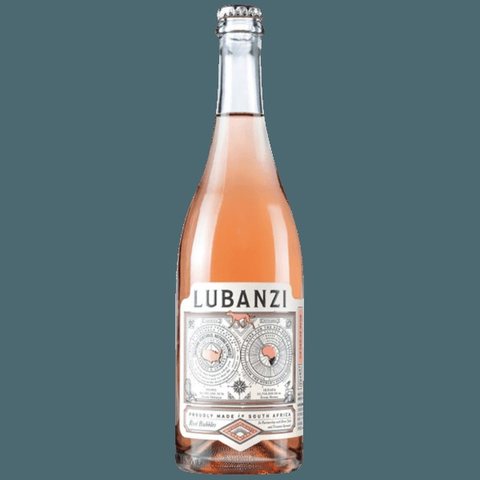
Lubanzi Rosé Bubbles
Scored from 239 calibrated Vivino reviewers. Cohort: Sparkling · South Africa (111 wines).
Find this wine: view on Vivino · compare prices on Wine-Searcher
Is Rosé Bubbles a good wine?
What reviewers say
“Selection from Megahn’s cellar that she shared with me & Tara after the New World Terroir wine tasting presented by Brandon Johnson from RNDC at Wall to Wall Wine 9/28/25. Made from 37 year old dry farmed cinsault grapes. Crisp, clean and lightly sparkling. Dusty strawberries on the nose with strawberry, lemon, honeysuckle, and pebble stone on the palate.”
From a top-rated Vivino review for this bottle.
Summary
Lubanzi Rosé Bubbles is a sparkling wine from Coastal Region, South Africa. It sits in the $15–30 band, on a lowest observed 750 ml price of $19.79. It blends Grenache Noir, Mourvedre, Cinsault and Shiraz Syrah.
239 Vivino reviewers are calibrated for this bottle, and those are the ones the calibrated score reads; a separate, broader pool of 247 reviewers with at least two ratings each feeds the raw-average track. The cohort it is ranked inside holds 111 South African sparkling wines.
- Cohort
- Sparkling · South Africa · 111 wines
- Calibrated reviewers
- none yet
Cohort: Sparkling · South Africa
Closest peers
 Sparkling60.2