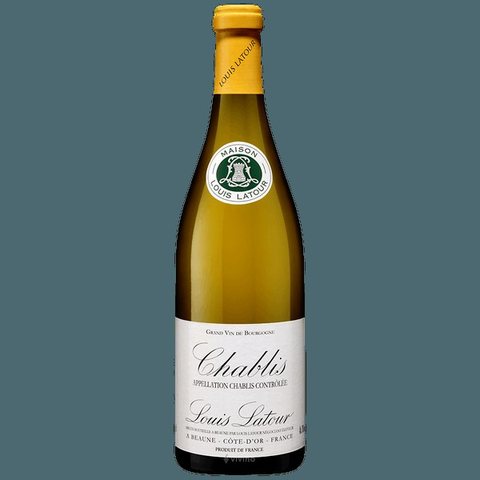
White · Chablis · Frankreich
Louis Latour Chablis
Scored from 1,744 calibrated Vivino reviewers. Cohort: White · Frankreich (687 wines).
Find this wine: view on Vivino · compare prices on Wine-Searcher
Is Chablis a good wine?
What reviewers say
“It’s not you, it’s me. Chablis I do love you but my heart flutters for another. You must feel it too, in the back of your eyelids in the moments before reentry into this dull wakefulness, a phantasm you cling to.”
From a top-rated Vivino review for this bottle.
Summary
It is a luminous light yellow in colour with pretty flecks of green. On the nose, floral notes are deepened with alluring citrus aromas. Round, this wine delivers a lovely freshness with lemon and herbal notes.
Louis Latour Chablis is a French white from Chablis. The grape is Chardonnay.
686 other whites from France form the cohort it is ranked inside. The calibrated figure is built from 1,744 of its Vivino reviewers. A broader pool of 1,789 reviewers with two or more ratings feeds the raw-average track instead.
- Cohort
- White · Frankreich · 687 wines
- Calibrated reviewers
- none yet
Cohort: White · Frankreich
Closest peers
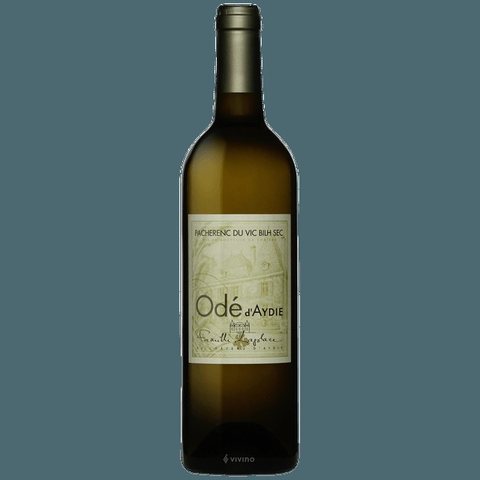 White69.7
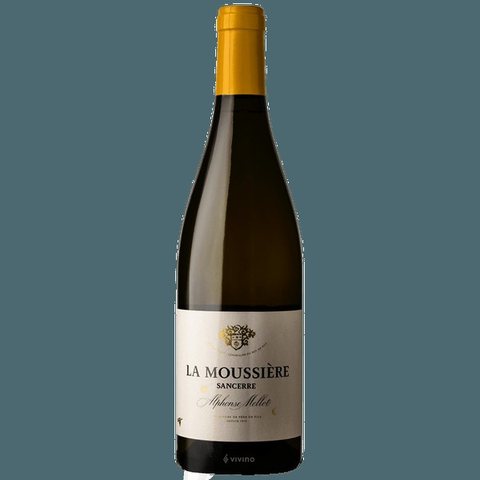 White69