Rosé · Toscana · Italia
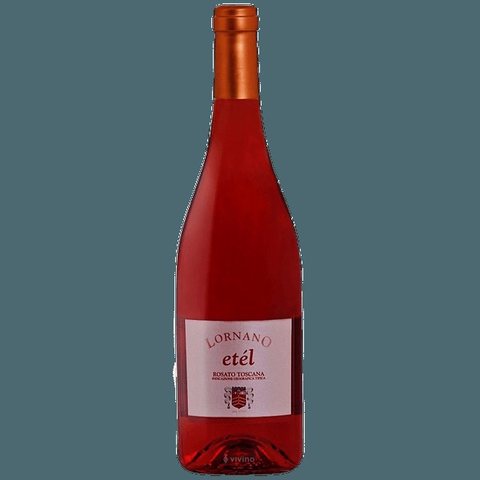
Lornano Etèl Rosato Toscana
Scored from 117 calibrated Vivino reviewers. Cohort: Rosé · Italia (588 wines).
Find this wine: view on Vivino · compare prices on Wine-Searcher
Is Etèl Rosato Toscana a good wine?
What reviewers say
“No nariz é delicado e remete a frutas tropicais como abacaxi e pêssego. É mineral, fresco e com leve toque de morango. Em boca é rico, com notas delicadas de rosas e cerejas maduras. Toques picantes aparecem para completar o conjunto e se entrelaçam as frutas cítricas proporcionando uma ótima experiência. Possui acidez acima da média, o que lhe faz muito bem,com a ótima estrutura e sabor frutado”
From a top-rated Vivino review for this bottle.
Summary
Lovely fruity aromas in the nose with a deep pink color and a nice balance on the palate.
Lornano Etèl Rosato Toscana is an Italian rosé made from Sangiovese. It comes from Toscana, in Italy.
117 Vivino reviewers are calibrated for this bottle, and those are the ones the calibrated score reads; a separate, broader pool of 120 reviewers with at least two ratings each feeds the raw-average track. 587 other rosés from Italy form the cohort it is ranked inside.
- Cohort
- Rosé · Italia · 588 wines
- Calibrated reviewers
- none yet
Cohort: Rosé · Italia
Closest peers
 Rosé36.5