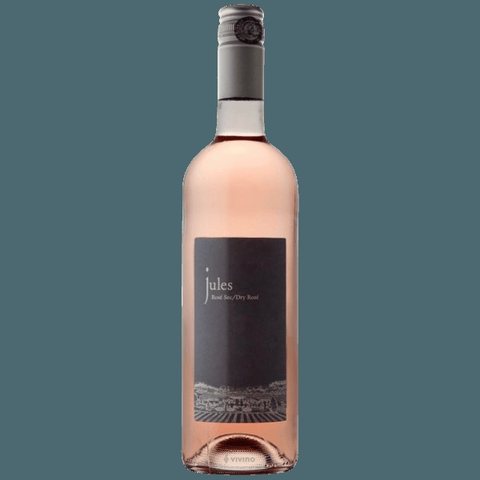
Rosé · Méditerranée · France
Jules Rosé Sec
Scored from 68 calibrated Vivino reviewers. Cohort: Rosé · France (2,010 wines).
Find this wine: view on Vivino · compare prices on Wine-Searcher
Is Rosé Sec a good wine?
What reviewers say
“Nice cranberry gooseberry milk thistle, bare nipple. Maybe we could make it happen, baby We could keep trying But things will never change So I don't look back Still I'm dying with every step I take But I don't look back Just a little, little bit better Just a little, little bit better Good enough to waste some time Tell me would it make you happy, baby We could keep trying But things will never change So I don't look back Still I'm dying with every step I take But I don't look back”
From a top-rated Vivino review for this bottle.
Summary
Jules Rosé Sec is a rosé from Méditerranée, France. It blends Grenache Noir and Cinsault.
The cohort it is ranked inside holds 2,010 French rosés. 68 Vivino reviewers are calibrated for this bottle, and those are the ones the calibrated score reads; a separate, broader pool of 70 reviewers with at least two ratings each feeds the raw-average track.
- Cohort
- Rosé · France · 2,010 wines
- Calibrated reviewers
- none yet
Cohort: Rosé · France