Rosé · Nahe · Germany
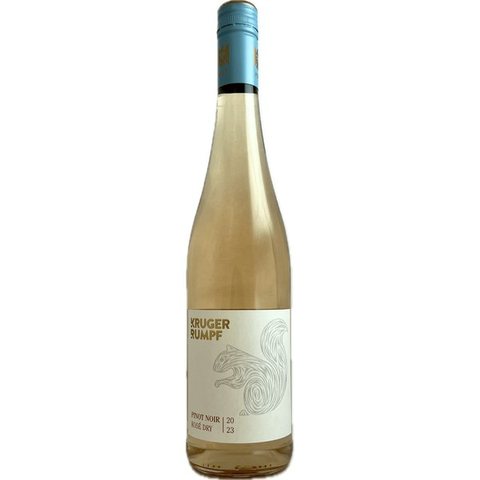
Hexamer Spätburgunder Weissherbst
Scored from 91 calibrated Vivino reviewers. Cohort: Rosé · Germany (63 wines).
Find this wine: view on Vivino · compare prices on Wine-Searcher
Is Spätburgunder Weissherbst a good wine?
Tasting profile
A lightly effervescent, refreshingly crisp rose with citrus notes of orange, grapefruit, and lime zest alongside peach, stone, and sour apple. Reviewers describe it as semi-sweet yet balanced, starting dry with a floral sweetness on the finish, making it a fun German alternative to Riesling and an easy summer sipper.
Synthesized from 91Vivino reviewers' tasting notes for this bottle.
What reviewers say
“Great citrus-sweet orange, bit of grapefruit, lime zest. Not aggressive though, spectacular balance and a just an amazing wine!”
From a top-rated Vivino review for this bottle.
Summary
Hexamer Spätburgunder Weissherbst is a German rosé from Nahe.
Its in-cohort standing is measured against 62 other rosés from Germany, not against the corpus as a whole. The calibrated figure is built from 91 of its Vivino reviewers. A broader pool of 92 reviewers with two or more ratings feeds the raw-average track instead.
- Cohort
- Rosé · Germany · 63 wines
- Calibrated reviewers
- none yet
Cohort: Rosé · Germany
Closest peers
 Rosé72.8