Red · Napa Valley · United States
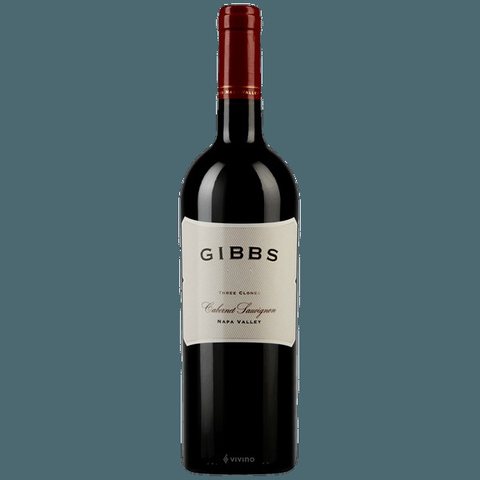
Gibbs Three Clones Cabernet Sauvignon
Scored from 253 calibrated Vivino reviewers. Cohort: Red · United States (1,156 wines).
Find this wine: view on Vivino · compare prices on Wine-Searcher
Is Three Clones Cabernet Sauvignon a good wine?
What reviewers say
“$26.99 I have rated this before. I don’t know if it’s the extra aging on it or what.this wine is so soft that it’s like swish it clouds in your mouth. But it lacks almost nothing.”
From a top-rated Vivino review for this bottle.
Summary
Aromas of ripe black cherries and the tantalizing dusty smell of French oak. A delicious, textured mid-palate of plum and dark fruits sprinkled with black pepper meets soft, sizable tannins for a smooth and silky finish.
Gibbs Three Clones Cabernet Sauvignon is an American red from Napa Valley.
Its in-cohort standing is measured against 1,155 other reds from the United States, not against the corpus as a whole. The calibrated figure is built from 253 of its Vivino reviewers. A broader pool of 264 reviewers with two or more ratings feeds the raw-average track instead.
- Cohort
- Red · United States · 1,156 wines
- Calibrated reviewers
- none yet