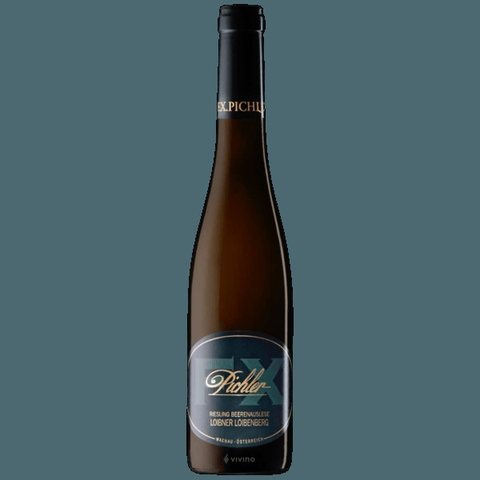
Dessert · Wachau · Austria
F.X. Pichler Loibner Loibenberg Riesling Beerenauslese
Scored from 5 calibrated Vivino reviewers. Cohort: Dessert · Austria (20 wines).
Find this wine: view on Vivino · compare prices on Wine-Searcher
Is Loibner Loibenberg Riesling Beerenauslese a good wine?
Tasting profile
Lush and richly sweet, with reviewers calling out honeyed peach, candied sweets, and tropical fruit-cup notes of green papaya, pineapple, and mango alongside a playful bubblegum lift. Full-bodied and concentrated, showing the opulent character of a Beerenauslese.
Synthesized from 5Vivino reviewers' tasting notes for this bottle.
What reviewers say
“PEACH!! Sweet Nice perfection honey, candied sweets, peach! Full and rich!!”
From a top-rated Vivino review for this bottle.
Summary
From Wachau in Austria, F.X. Pichler Loibner Loibenberg Riesling Beerenauslese is a dessert wine.
Only 5 of its Vivino reviewers are calibrated, so the calibrated figure rests on a thin sample; a broader pool of 5 reviewers with at least two ratings feeds the raw-average track. The cohort it is ranked inside holds 20 Austrian dessert wines.
- Cohort
- Dessert · Austria · 20 wines
- Calibrated reviewers
- none yet
Cohort: Dessert · Austria
Closest peers
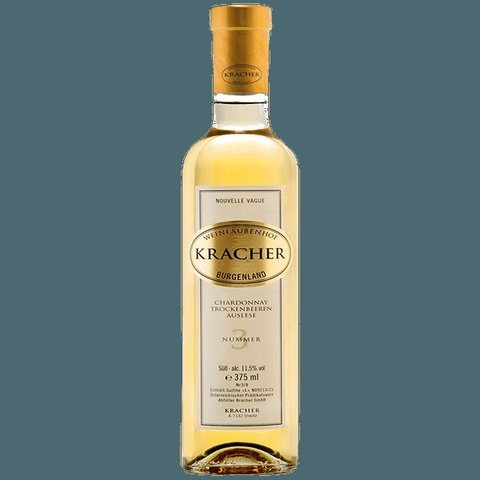 Dessert96
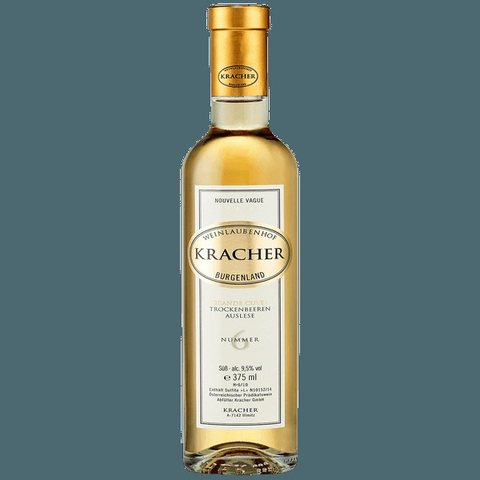 Dessert98.3
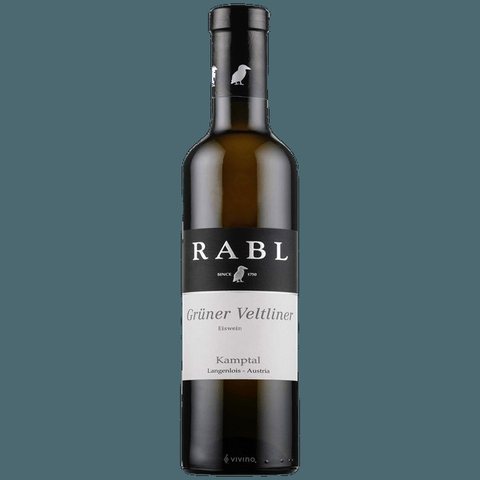 Dessert91.5