White · Dão · Portugal
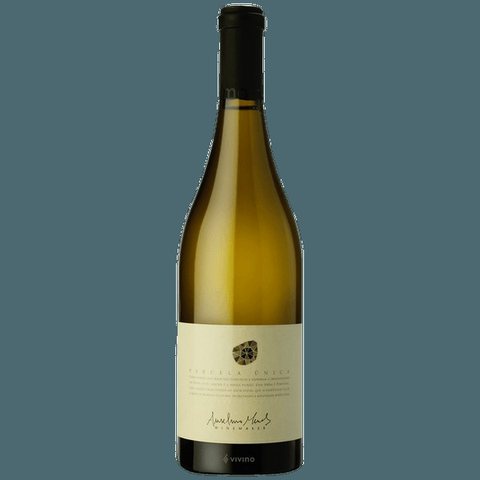
Domínio do Açor Encruzado
Scored from 26 calibrated Vivino reviewers. Cohort: White · Portugal (1,436 wines).
Find this wine: view on Vivino · compare prices on Wine-Searcher
Is Encruzado a good wine?
Tasting profile
A complex, full-bodied white showing golden-lemon color with aromas and flavors of stone fruit, pear, almonds, and citrus pith, framed by buttery oak, minerals, and a subtle smoky reductive edge. Fresh acidity and a long, balanced finish round out a rich yet poised expression of the Encruzado grape.
Synthesized from 26Vivino reviewers' tasting notes for this bottle.
What reviewers say
“Buttery wine with a touch of minerals.”
From a top-rated Vivino review for this bottle.
Summary
Domínio do Açor Encruzado is a white from Dão, Portugal.
Only 26 of its Vivino reviewers are calibrated, so the calibrated figure rests on a thin sample; a broader pool of 26 reviewers with at least two ratings feeds the raw-average track. 1,435 other whites from Portugal form the cohort it is ranked inside.
- Cohort
- White · Portugal · 1,436 wines
- Calibrated reviewers
- none yet
Cohort: White · Portugal
Closest peers
 White96.2