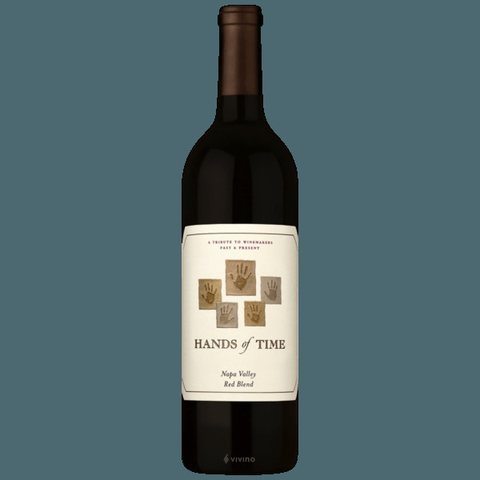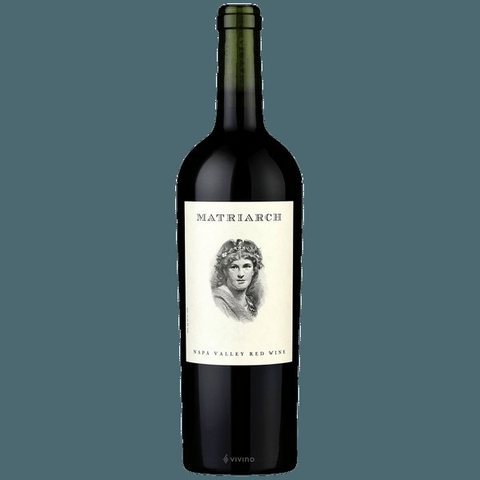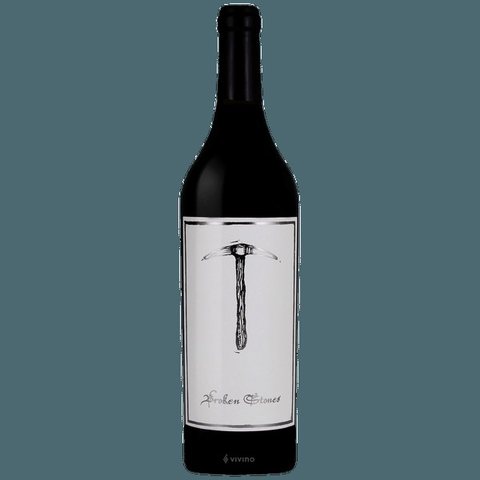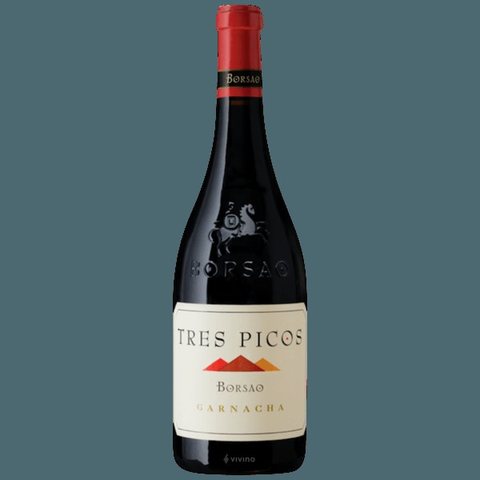
Red · Alexander Valley · Stati Uniti d'America
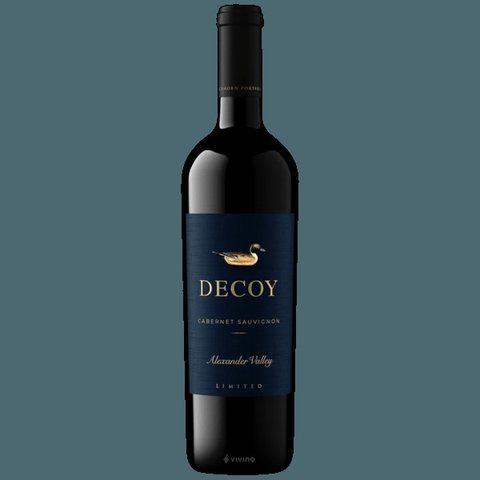
Decoy Limited Cabernet Sauvignon
Scored from 2,318 calibrated Vivino reviewers. Cohort: Red · Stati Uniti d'America (5 wines).
Find this wine: view on Vivino · compare prices on Wine-Searcher
Is Limited Cabernet Sauvignon a good wine?
What reviewers say
“Pop and pour on Saturday evening. Decoy has never been a go-to for me, but this was a step up, both in quality and price. Med+ intensity nose of stewed blackberry and vanilla. Initial sips matched the nose, with stewed blackberry, plum, vanilla and a little smoke.”
From a top-rated Vivino review for this bottle.
Summary
Decoy Limited Cabernet Sauvignon is a red from Alexander Valley, the United States. It sits in the $15–30 band, on a lowest observed 750 ml price of $25.95.
Its in-cohort standing is measured against 4 other reds from the United States, not against the corpus as a whole. The calibrated figure is built from 2,318 of its Vivino reviewers. A broader pool of 2,360 reviewers with two or more ratings feeds the raw-average track instead.
- Cohort
- Red · Stati Uniti d'America · 5 wines
- Calibrated reviewers
- none yet
Cohort: Red · Stati Uniti d'America