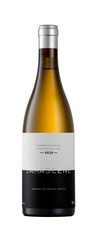
White · Stellenbosch · South Africa
Damascene Chenin Blanc
Scored from 104 calibrated Vivino reviewers. Cohort: White · South Africa (872 wines).
Find this wine: view on Vivino · compare prices on Wine-Searcher
Is Chenin Blanc a good wine?
Tasting profile
Bright citrus and stone fruit notes of lemon, white peach, nectarine, and apricot lead into a creamy, mineral mouthfeel with vibrant acidity and a notably long finish. Elegant and well-balanced, with subtle herbal and orchard-fruit nuances that make it feel sophisticated rather than overtly fruity.
Synthesized from 104Vivino reviewers' tasting notes for this bottle.
What reviewers say
“Beste witte wijn ooit gedronken - La Colombe”
From a top-rated Vivino review for this bottle.
Summary
Damascene Chenin Blanc is a white from Stellenbosch, South Africa. The cheapest 750 ml listing found for it is $55.19, which puts the bottle in the $30–60 band.
104 Vivino reviewers are calibrated for this bottle, and those are the ones the calibrated score reads; a separate, broader pool of 104 reviewers with at least two ratings each feeds the raw-average track. The cohort it is ranked inside holds 872 South African whites.
- Cohort
- White · South Africa · 872 wines
- Calibrated reviewers
- none yet
Cohort: White · South Africa
Closest peers
 White96