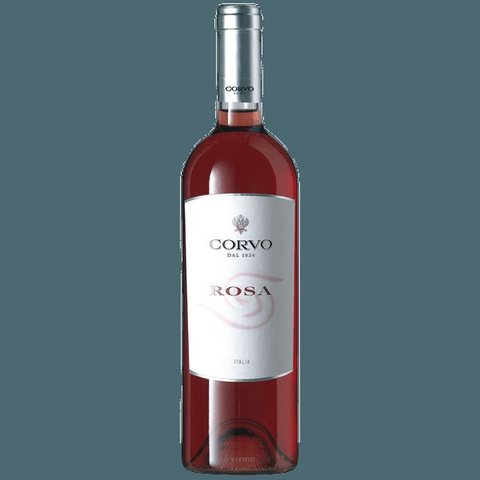
Rosé · Terre Siciliane · Italy
Corvo Rosa
Scored from 376 calibrated Vivino reviewers. Cohort: Rosé · Italy (547 wines).
Find this wine: view on Vivino · compare prices on Wine-Searcher
Is Rosa a good wine?
What reviewers say
“Pale orange color. Minerals, cherry, and tarragon on the nose. On the tongue, sharp and acidic and herbal. Strawberry, tarragon, grapefruit, lemon, and orange. Minerals, peach and pear. Maybe a light effervescence. Pleasant, and unusual with that herbal side.”
From a top-rated Vivino review for this bottle.
Summary
It has bright rose colour with cherry red highlights. Rich, fragrant and finely fruity with the scent of wild berries. Balanced, well-bodied, lively and good persistence.
Corvo Rosa is a rosé from Terre Siciliane, Italy, blended from Pinot Noir, Ansonica, Nerello Mascalese and Shiraz Syrah.
The calibrated figure is built from 376 of its Vivino reviewers. A broader pool of 390 reviewers with two or more ratings feeds the raw-average track instead. Its in-cohort standing is measured against 546 other rosés from Italy, not against the corpus as a whole.
- Cohort
- Rosé · Italy · 547 wines
- Calibrated reviewers
- none yet
Cohort: Rosé · Italy
Closest peers
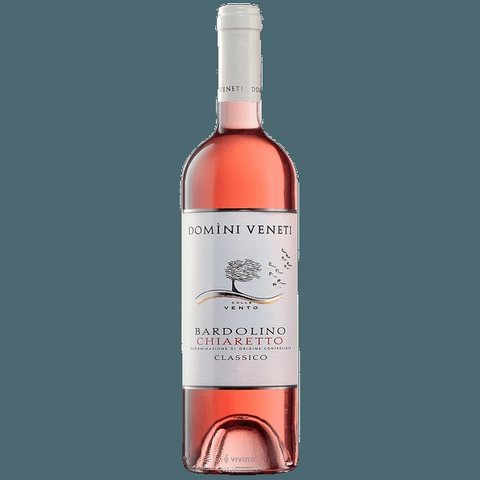 Rosé7.5