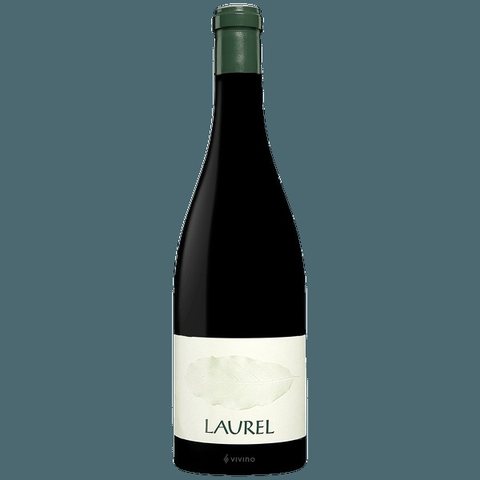
Red · Priorato · España
Clos Erasmus Laurel
Scored from 1,745 calibrated Vivino reviewers. Cohort: Red · España (178 wines).
Find this wine: view on Vivino · compare prices on Wine-Searcher
Is Laurel a good wine?
Tasting profile
A powerful yet smooth Priorat with intense dark fruit, blackberry and purple floral notes on the nose, carrying earthy, warm, lightly spicy character and a dry finish. Built to pair with lamb or steak, and capable of rewarding a few more years in the bottle.
Synthesized from 1,745Vivino reviewers' tasting notes for this bottle.
What reviewers say
“96: fuckin aye. This is only the small wine of clos erasmus. Did not know the meaning of smal until today. ;-)”
From a top-rated Vivino review for this bottle.
Summary
Clos Erasmus Laurel is a Spanish red from Priorato. The cheapest 750 ml listing found for it is $54.00, which puts the bottle in the $30–60 band.
1,745 Vivino reviewers are calibrated for this bottle, and those are the ones the calibrated score reads; a separate, broader pool of 1,779 reviewers with at least two ratings each feeds the raw-average track. 177 other reds from Spain form the cohort it is ranked inside.
- Cohort
- Red · España · 178 wines
- Calibrated reviewers
- none yet