Red · Bordeaux · France
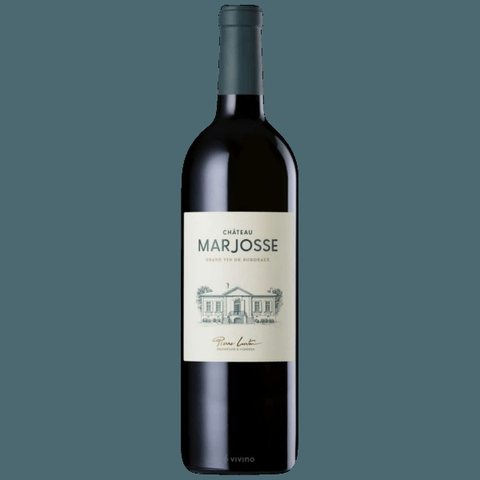
Château Marjosse Bordeaux
Scored from 2,428 calibrated Vivino reviewers. Cohort: Red · France (1,134 wines).
Find this wine: view on Vivino · compare prices on Wine-Searcher
Is Bordeaux a good wine?
What reviewers say
“Bordeaux QPR lovers here you go, an early-drinking wine to boot. Medium intensity on the nose and palate. Inviting red fruit, earthy aromas along with the game, dried herbs, plum, and chili.”
From a top-rated Vivino review for this bottle.
Summary
Beautiful bright purple colour with intense violet reflections. On the nose candied fruit, cherry and blackberry with toasted oak notes. Soft and round on the attack which reveals a nice fruity flesh with tasty tannins and pleasantly persistent final.
Château Marjosse Bordeaux is a French red from Bordeaux. The grape is Merlot. The cheapest 750 ml listing found for it is $18.18, which puts the bottle in the $15–30 band.
The cohort it is ranked inside holds 1,134 French reds. The calibrated figure is built from 2,428 of its Vivino reviewers. A broader pool of 2,489 reviewers with two or more ratings feeds the raw-average track instead.
- Cohort
- Red · France · 1,134 wines
- Calibrated reviewers
- none yet
Cohort: Red · France