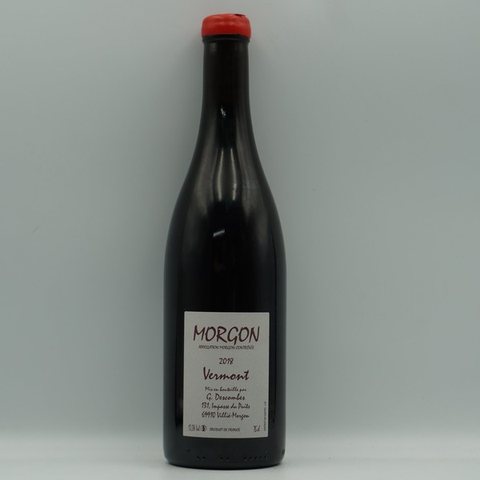
Red · Saint-Estèphe · Francia
Château de Pez 2nd Pez Saint-Estèphe
Scored from 99 calibrated Vivino reviewers. Cohort: Red · Francia (72 wines).
Find this wine: view on Vivino · compare prices on Wine-Searcher
Is 2nd Pez Saint-Estèphe a good wine?
What reviewers say
“Château de Pez Second Pez shows off some real Saint Estephe character. It opens with deep black fruit, hints of raspberry and a touch of oak. There is cedar, old wood and a little bonfire warmth that gives it a rustic charm, along with a note that reminds me of wood lacquer. Dry and medium bodied with a velvety finish, it feels both classic and relaxed. A solid bottle that delivers exactly what you hope for from this estate.”
From a top-rated Vivino review for this bottle.
Summary
Château de Pez 2nd Pez Saint-Estèphe is a French red from Saint-Estèphe. The blend is Cabernet Sauvignon, Merlot and Petit Verdot.
The calibrated figure is built from 99 of its Vivino reviewers. A broader pool of 99 reviewers with two or more ratings feeds the raw-average track instead. 71 other reds from France form the cohort it is ranked inside.
- Cohort
- Red · Francia · 72 wines
- Calibrated reviewers
- none yet
Cohort: Red · Francia