Rosé · Tinto do Douro · Portugal
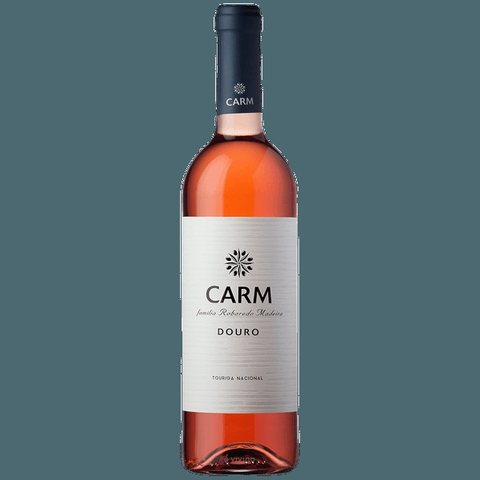
CARM Rosé
Scored from 96 calibrated Vivino reviewers. Cohort: Rosé · Portugal (427 wines).
Find this wine: view on Vivino · compare prices on Wine-Searcher
Is Rosé a good wine?
What reviewers say
“Um rosé bem feito, elegante mas um pouco tímido nas suas características, pelo menos numa fase inicial. Não pode ser desfrutado a uma temperatura muito baixa. É suave e frutado com uma acidez discreta mas bem integrada. Quando se liberta revela morango, cereja e fruta vermelha silvestre, um cocktail bastante agradável. Só é pena o preço, vale a pena experimentar mas ficamos por aqui... Prefiro o tinto.”
From a top-rated Vivino review for this bottle.
Summary
The nose shows fresh, with red fruit and elegant floral notes. The taste is long, fresh and rich, with balanced acidity.
CARM Rosé is a Portuguese rosé made from Touriga Nacional. The vineyard region is Tinto do Douro, Portugal.
96 Vivino reviewers are calibrated for this bottle, and those are the ones the calibrated score reads; a separate, broader pool of 98 reviewers with at least two ratings each feeds the raw-average track. The cohort it is ranked inside holds 427 Portuguese rosés.
- Cohort
- Rosé · Portugal · 427 wines
- Calibrated reviewers
- none yet
Cohort: Rosé · Portugal