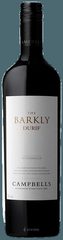
Red · Rutherglen · Australia
Campbells The Barkly Durif
Scored from 86 calibrated Vivino reviewers. Cohort: Red · Australia (517 wines).
Find this wine: view on Vivino · compare prices on Wine-Searcher
Is The Barkly Durif a good wine?
What reviewers say
“14.8%a/v. One more bottle found out of tne original half dozen from 20+ years ago. Deep brick red colour, consistent. Extraordinarily good for the age. Typical vlassic Rutherglen Durif at its best 6. Big fruit cake complex nose with fine leather, cassis, blackberry & olives very sniffable! 12. Palate is smooth, complex with mote fine leather, cassis & blackberry / cigar box. Fine. Long finish. Extraordinary for the age. Top notch stuff- buy up the latest vintages! 17 = 35.”
From a top-rated Vivino review for this bottle.
Summary
Campbells The Barkly Durif is a red from Rutherglen, Australia.
86 Vivino reviewers are calibrated for this bottle, and those are the ones the calibrated score reads; a separate, broader pool of 87 reviewers with at least two ratings each feeds the raw-average track. The cohort it is ranked inside holds 517 Australian reds.
- Cohort
- Red · Australia · 517 wines
- Calibrated reviewers
- none yet
Cohort: Red · Australia
Closest peers
 Red87.1