White · Lugana · Italy
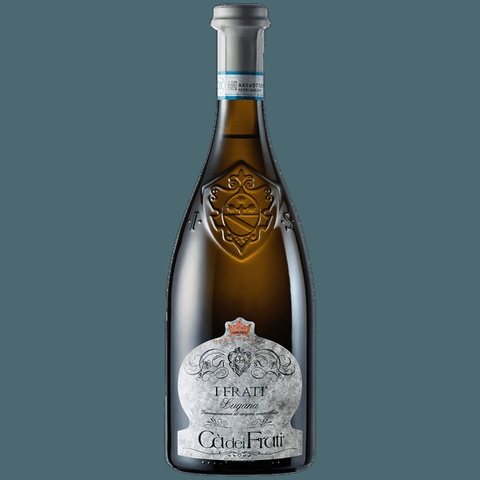
Cà dei Frati I Frati Lugana
Scored from 13,150 calibrated Vivino reviewers. Cohort: White · Italy (3,194 wines).
Find this wine: view on Vivino · compare prices on Wine-Searcher
Is I Frati Lugana a good wine?
What reviewers say
“Didn’t take me long to get back on the northern Italian wines! This was from my last purchase from Exel before they sadly closed their doors. Bought purely on their write up of the wine, describing it as minerals heavy and complex, which it certainly was!”
From a top-rated Vivino review for this bottle.
Summary
The I Frati has a concentrated but fresh perfume of white flowers, peaches and ripe lemons. On the palate it has excellent depth and balance, with a trademark richness and a lovely crisp, lively finish.
Cà dei Frati I Frati Lugana is an Italian white from Lugana. At $20.95 for the lowest 750 ml listing, it belongs to the $15–30 band. The grape is Turbiana.
The calibrated figure is built from 13,150 of its Vivino reviewers. A broader pool of 13,746 reviewers with two or more ratings feeds the raw-average track instead. The cohort it is ranked inside holds 3,194 Italian whites.
- Cohort
- White · Italy · 3,194 wines
- Calibrated reviewers
- none yet
Cohort: White · Italy
Closest peers
 White82.9