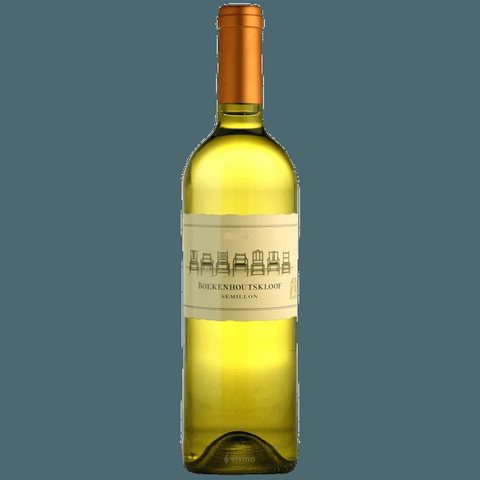
White · Franschhoek · South Africa
Boekenhoutskloof Sémillon
Scored from 1,304 calibrated Vivino reviewers. Cohort: White · South Africa (872 wines).
Find this wine: view on Vivino · compare prices on Wine-Searcher
Is Sémillon a good wine?
What reviewers say
“Very nice Sémillon from Franschhoek. This is a blend of that stems from the oldest Semillon vines in RSA, nearly 120 years in the oldest plot, at least 80 years in the others. Some vines have naturally mutated to Semillon Gris which has some pink color.”
From a top-rated Vivino review for this bottle.
Summary
Fresh green apple notes with a strong citrus character dominate the nose of this wine. With time the rich waxy lanolin flavors will overpower these more primary fruit flavors. Well integrated oak adds to the depth and complexity of this wine. Franschhoe
From Franschhoek in South Africa, Boekenhoutskloof Sémillon is a white. It is made from Semillion.
The cohort it is ranked inside holds 872 South African whites. 1,304 Vivino reviewers are calibrated for this bottle, and those are the ones the calibrated score reads; a separate, broader pool of 1,324 reviewers with at least two ratings each feeds the raw-average track.
- Cohort
- White · South Africa · 872 wines
- Calibrated reviewers
- none yet
Cohort: White · South Africa