Red · Paso Robles · United States
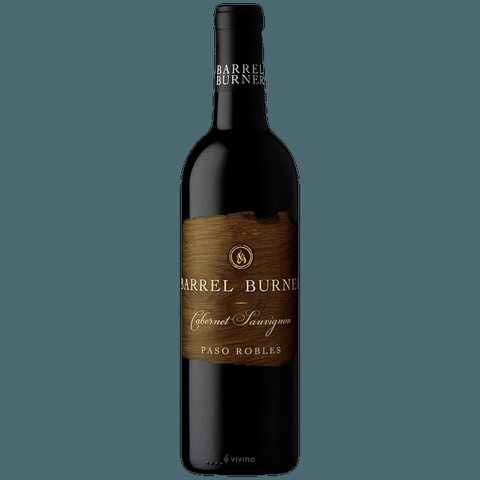
Barrel Burner Cabernet Sauvignon
Scored from 313 calibrated Vivino reviewers. Cohort: Red · United States (1,156 wines).
Find this wine: view on Vivino · compare prices on Wine-Searcher
Is Cabernet Sauvignon a good wine?
What reviewers say
“OLD WORLD VS. NEW WORLD TASTING: This one got 4 thumbs up! Some uncertainty as to Old or New World. But in any event, a dark, rich, full-bodied Cali Cab from Paso Robles. David Hunstad correctly identified this Cab as a red wine. Ripe, dark fruits, toasted oak, espresso. Dry and thin, fruity, plums. Strong alcohol. But all around, a definite crowd pleaser. Paired very well with all the lovely charcuterie boards. Yum!”
From a top-rated Vivino review for this bottle.
Summary
Barrel Burner Cabernet Sauvignon is an American red from Paso Robles. The cheapest 750 ml listing found for it is $24.95, which puts the bottle in the $15–30 band.
The calibrated figure is built from 313 of its Vivino reviewers. A broader pool of 325 reviewers with two or more ratings feeds the raw-average track instead. 1,155 other reds from the United States form the cohort it is ranked inside.
- Cohort
- Red · United States · 1,156 wines
- Calibrated reviewers
- none yet