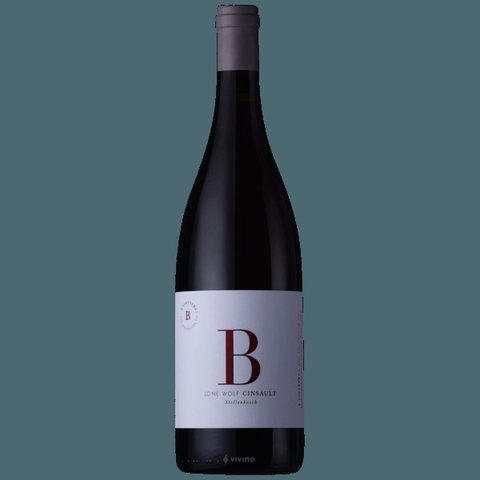
Red · Stellenbosch · South Africa
B Vintners Lone Wolf Cinsault
Scored from 70 calibrated Vivino reviewers. Cohort: Red · South Africa (132 wines).
Find this wine: view on Vivino · compare prices on Wine-Searcher
Is Lone Wolf Cinsault a good wine?
What reviewers say
“A joint venture between the cousins gavin brewer and brewer raats of stellenbosch south africa of an old bush cinsault vine planted in 1953 on a granite and shist soil.made organic style using a method of spontaneous whole bunch and semi carbonic fermentation for 10days..it is then pressed with a basket press into seasoned barrels for 10mths before bottling. Nose..cherry,raspberry Taste ..dry,mild acidity,spicy and a enjoyable tasty drink. Jjyeo 91 26.12.23 Alc 12.5%”
From a top-rated Vivino review for this bottle.
Summary
B Vintners Lone Wolf Cinsault is a South African red from Stellenbosch.
70 Vivino reviewers are calibrated for this bottle, and those are the ones the calibrated score reads; a separate, broader pool of 71 reviewers with at least two ratings each feeds the raw-average track. Its in-cohort standing is measured against 131 other reds from South Africa, not against the corpus as a whole.
- Cohort
- Red · South Africa · 132 wines
- Calibrated reviewers
- none yet