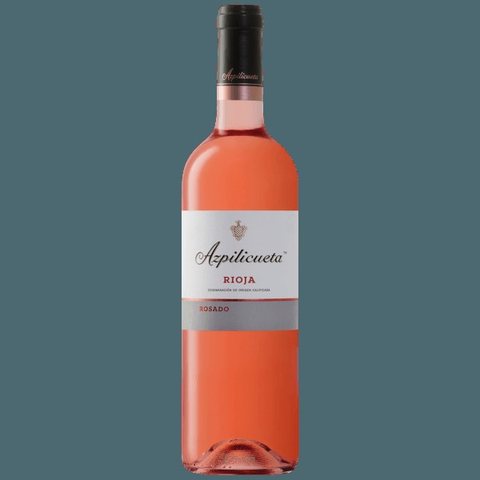
Rosé · Rioja · Espagne
Azpilicueta Rosado
Scored from 75 calibrated Vivino reviewers. Cohort: Rosé · Espagne (143 wines).
Find this wine: view on Vivino · compare prices on Wine-Searcher
Is Rosado a good wine?
What reviewers say
“Me ha gustado mucho éste Rioja rosado, joven del 2023 pero con mucha intensidad, bueno ese coupage de uva tinta Tempranillo y blanca Viura. Muy aromático e intenso en boca. Salud amigos Viviners 🍷🍷!!”
From a top-rated Vivino review for this bottle.
Summary
It color is pale pink, pale, delicate. Intense, lush, overflowing nose of tropical fruits like pineapple; citrus like grapefruit or lime; also stone fruit fresh, apricot, cherry; not to mention the subtle notes classic blackberry and raspberry.
From Rioja in Spain, Azpilicueta Rosado is a rosé. It blends Viura and Tempranillo.
Its in-cohort standing is measured against 142 other rosés from Spain, not against the corpus as a whole. 75 Vivino reviewers are calibrated for this bottle, and those are the ones the calibrated score reads; a separate, broader pool of 76 reviewers with at least two ratings each feeds the raw-average track.
- Cohort
- Rosé · Espagne · 143 wines
- Calibrated reviewers
- none yet
Cohort: Rosé · Espagne