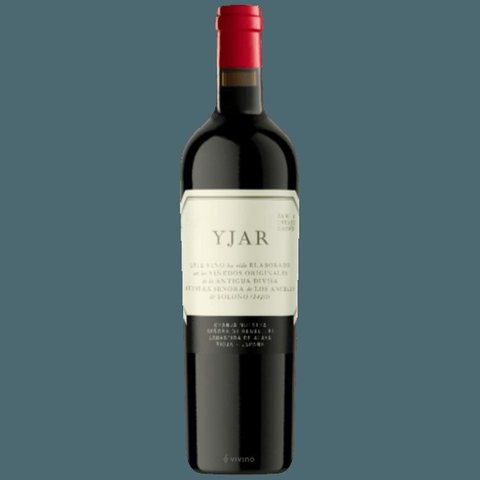
Red · Ribera del Duero · Espagne
Ausàs Interpretación
Scored from 1,199 calibrated Vivino reviewers. Cohort: Red · Espagne (153 wines).
Find this wine: view on Vivino · compare prices on Wine-Searcher
Is Interpretación a good wine?
Tasting profile
A deep purple Ribera del Duero showing ripe red fruit aromas of cherry and violet, with a buttery richness, well-integrated oak, and smooth, well-knit tannins. Reviewers describe it as elegant, round, and surprisingly polished for its youth, with a long, persistent finish.
Synthesized from 1,199Vivino reviewers' tasting notes for this bottle.
What reviewers say
“Rich, right amount of oak, smooth and sophisticated flavors. And a beauty to look at in the glass. Pairs well with a really tough day.”
From a top-rated Vivino review for this bottle.
Summary
From Ribera del Duero in Spain, Ausàs Interpretación is a red.
Its in-cohort standing is measured against 152 other reds from Spain, not against the corpus as a whole. The calibrated figure is built from 1,199 of its Vivino reviewers. A broader pool of 1,220 reviewers with two or more ratings feeds the raw-average track instead.
- Cohort
- Red · Espagne · 153 wines
- Calibrated reviewers
- none yet