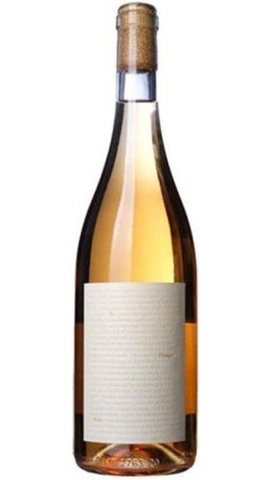
White · Naoussa · Greece
Artisans Vignerons de Naoussa The Orange Point
Scored from 31 calibrated Vivino reviewers. Cohort: White · Greece (308 wines).
Find this wine: view on Vivino · compare prices on Wine-Searcher
Is The Orange Point a good wine?
What reviewers say
“Peach, stone fruit notes on the nose. Nice minerality, subtle citrus flavours, neutral balance; it’s dry but without a high acidity. A flinty, stone like mouthfeel, possibly some salinity present. Like sucking the stone of a peach. All very interesting and then sown up with short, medium tannins to finish.”
From a top-rated Vivino review for this bottle.
Summary
Artisans Vignerons de Naoussa The Orange Point is a white from Naoussa, Greece. It blends Roditis and Assyrtiko.
Only 31 of its Vivino reviewers are calibrated, so the calibrated figure rests on a thin sample; a broader pool of 31 reviewers with at least two ratings feeds the raw-average track. The cohort it is ranked inside holds 308 Greek whites.
- Cohort
- White · Greece · 308 wines
- Calibrated reviewers
- none yet
Cohort: White · Greece
Closest peers
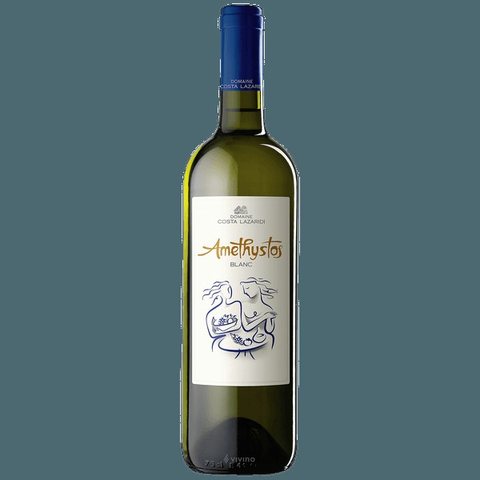 White47.9
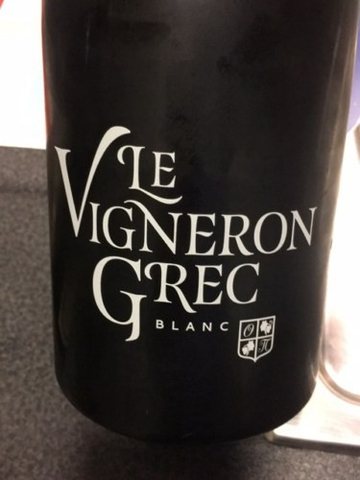 White48.6