Red · Bourgogne Hautes-Côtes de Beaune · Francia
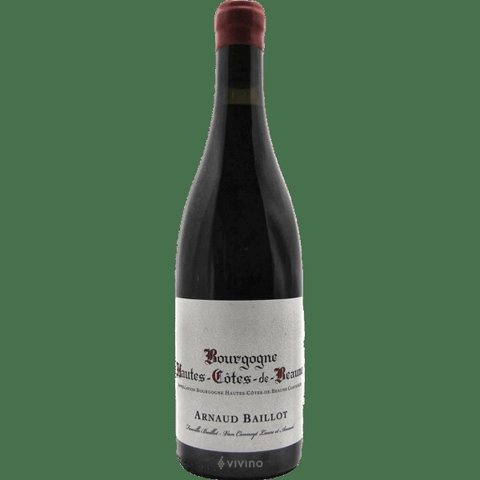
Arnaud Baillot Bourgogne Hautes-Côtes de Beaune
Scored from 65 calibrated Vivino reviewers. Cohort: Red · Francia (72 wines).
Find this wine: view on Vivino · compare prices on Wine-Searcher
Is Bourgogne Hautes-Côtes de Beaune a good wine?
What reviewers say
“Medium straw appearance with fresh, delicate nose. Lemon, peach aromas balance the pronounced minerality and hint of oak and brioche. Palate is weightier and longer-lasting than the nose would suggest. Lemon / citrus flavours meet flint and lingering lemon curd. Wine is well structured from skin contact balanced with refreshing acidity and low alcohol. Drink now but it’s good building blocks should reveal some development with 3-5 years of aging in the bottle.”
From a top-rated Vivino review for this bottle.
Summary
Arnaud Baillot Bourgogne Hautes-Côtes de Beaune is Pinot Noir grown in Bourgogne Hautes-Côtes de Beaune, bottled as a red.
The cohort it is ranked inside holds 72 French reds. The calibrated figure is built from 65 of its Vivino reviewers. A broader pool of 66 reviewers with two or more ratings feeds the raw-average track instead.
- Cohort
- Red · Francia · 72 wines
- Calibrated reviewers
- none yet