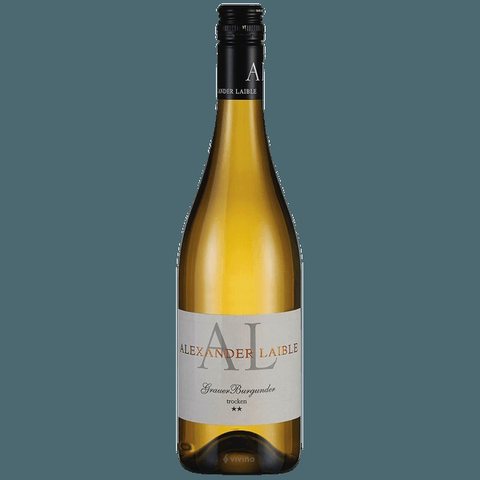
White · Baden · Germany
Alexander Laible Grauer Burgunder Trocken
Scored from 222 calibrated Vivino reviewers. Cohort: White · Germany (1,789 wines).
Find this wine: view on Vivino · compare prices on Wine-Searcher
Is Grauer Burgunder Trocken a good wine?
What reviewers say
“Hervorragender Grauburgunder mit viel Gripp, der klasse zu Spargel mit Kalb passt. Im Glas helles strohgelb mit grünen Reflexen. In der Nase Noten von grünem Apfel, Zitrone, Mineralien, Pfirsich und Birne. Am Gaumen ähnlich in der Aromatik. Hier ist der grüne Apfel sehr dominant ohne zu vordergründig zu sein. Der Wein ist mundfüllend, erfrischend und lebendig, dabei kräftig und packend, aber auch elegant. Ein guter Essensbegleiter, der gut gekühlt getrunken werden sollte.”
From a top-rated Vivino review for this bottle.
Summary
Alexander Laible Grauer Burgunder Trocken is Grauburgunder grown in Baden, bottled as a white.
Its in-cohort standing is measured against 1,788 other whites from Germany, not against the corpus as a whole. The calibrated figure is built from 222 of its Vivino reviewers. A broader pool of 224 reviewers with two or more ratings feeds the raw-average track instead.
- Cohort
- White · Germany · 1,789 wines
- Calibrated reviewers
- none yet
Cohort: White · Germany
Closest peers
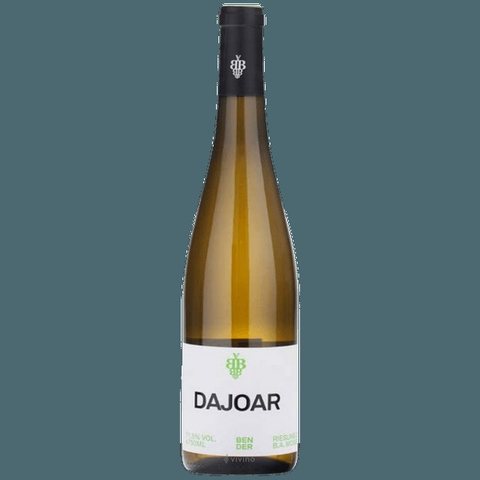 White76.5
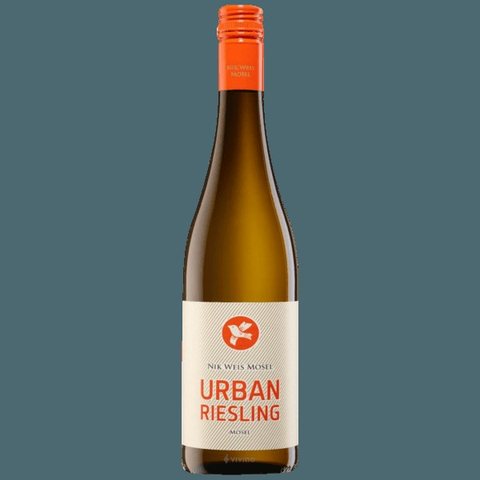 White76.7